Ensuring Reliable Fuel Monitoring with the QPx32 Gas Pressure Switch

Ensuring Reliable Fuel Monitoring with the QPx32 Gas Pressure Switch

Overview 

The Siemens Combustion Controls (SCC) QPx32 series pressure switch is a compact, reliable device that monitors gas or air pressure in combustion systems and HVAC applications. It detects when pressure rises above or below a set threshold and then actuates an internal Form C (SPDT) contact to alert control systems or shut down equipment if needed. In practical terms, the QPx32 safeguards burners, boilers, and other gas-fired or air-handling equipment by signaling unsafe pressure conditions. It is compatible with many fuels and gases – including natural gas, propane, butane, hydrogen, biogas, and air – making it versatile for many commercial and industrial settings. Overall, the QPx32 pressure switch helps maintain critical pressure levels, protecting both equipment and safety. 

Features and Benefits 

The QPx32 pressure switch family offers numerous features focused on safety, versatility, and ease of use. All models are cULus (UL 353) listed and FM-approved for common combustible gases, which means they meet rigorous safety standards for the U.S. and Canada. They are built to handle various fuel types – not only standard gases like natural gas and propane but also hydrogen or blended hydrogen fuels – reflecting a forward-looking design for emerging energy sources. Automatic-reset and manual-reset versions are available, allowing users to choose a configuration that suits their application’s safety requirements. A manual-reset model must be physically reset after a trip (ideal for critical safety interlocks that demand human inspection). In contrast, an automatic reset model will restore once the pressure returns to an acceptable range. Each switch is housed in a robust NEMA 4-rated enclosure, which is dust-tight and watertight for dependable outdoor or wash-down area operation. Most QPx32 units are designed to operate in ambient temperatures from -40°F to 140°F (-40°C to 60°C) without issue, ensuring functionality in harsh winter conditions or hot mechanical rooms alike.  

In addition to safety approvals, the QPx32 series incorporates practical features that simplify installation and maintenance. For example, there is a built-in test connection on the side of each switch, which allows technicians to easily attach a manometer or pressure gauge to verify the pressure or test the setpoint calibration. This eliminates the need for extra T-fittings or special test adapters during routine system checks. The electrical hookup is also straightforward: a standard 1/2-inch conduit fitting can be attached directly to the switch body without any adapters, making wiring installation quick and secure. Internally, the switch’s contact mechanism uses gold-plated contacts over a silver alloy base to ensure reliable electrical performance. The gold plating prevents oxidation and guarantees that even very low current signals (for example, from modern electronic controllers) will register consistently. From a pressure handling perspective, the QPx32 can withstand up to 15 psig (1 bar) of inlet pressure on its sensing port. Notably, it is designed for ventless operation up to 7 psig, meaning that under normal operating pressures, it will not bleed gas to the atmosphere. This ventless design enhances safety (no continuous gas venting) and simplifies compliance since no vent line or vent limiter is required for pressures at or below 7 psi. All these features contribute to a pressure switch that is convenient to use, durable, and aligned with safety best practices. 

Applications 

SCC’s QPx32 series is used across various commercial and industrial applications for gas and air pressure monitoring, particularly in burner management and HVAC systems. A QPx32 switch often monitors the fuel gas supply pressure in gas-fired burners, boilers, and furnaces. It will trip if the pressure is too low or too high, preventing unsafe combustion conditions like flameouts or over-pressurization. One everyday use is in valve proving systems: before a burner ignites, the control system may close off the gas line and use a QPx32 automatic reset switch to verify that line pressure holds steady. If the pressure falls when it shouldn’t, it indicates a leaking safety shutoff valve and the QPx32 will detect this drop and help lock out the system. In this way, the switch acts as a crucial safety check to ensure gas valves seal properly before ignition. The QPx32 is also an air pressure-producing switch on blowers and ventilation fans. For example, on a combustion air blower or an HVAC supply fan, the switch can confirm that airflow is present by sensing the pressure created in the airflow. Should a fan fail to start or a duct get blocked, the pressure will not reach the switch’s setpoint, and the QPx32 will prevent the burner from firing or shutting down the process, averting potential hazards. 

Another important application of the QPx32 series is in differential pressure monitoring. The device has a vent port that can be used as a reference port, allowing it to measure the difference between two pressure points. By connecting the vent port to a secondary location, the QPx32 can serve as a differential air pressure switch. This is useful in scenarios like monitoring filter health in an air handling unit (where the switch measures pressure drop across the filter) or proving flow in exhaust and recirculation fan systems. For instance, in an exhaust fan system, the QPx32 might sense the slight vacuum in the flue or stack when the fan is running. If the exhaust fan stops and that vacuum disappears, the switch will drop out and signal a fault condition – preventing continued operation without proper ventilation. Similarly, in a recirculation or building pressurization system, the QPx32 can verify that a fan maintains the required airflow or pressure differential between spaces. Thanks to its reliability and versatility, the QPx32 series is used as a critical safety interlock in all these applications, helping to ensure that processes only run under the correct pressure conditions. 

Competitive Analysis 

Through several key advantages, the QPx32 series distinguishes itself from competing gas pressure switches offered by companies like Dungs and Honeywell (Kromschröder). One standout feature is its ventless operation capability: unlike many traditional pressure switches requiring a vent or vent limiter to release gas from the sensing chamber safely, the QPx32 does not need to vent gas to the atmosphere at settings up to 7 psi. Competing models often must be connected to a vent line or incorporate a vent-limiting device to comply with safety codes, which adds complexity to the installation. By engineering the QPx32 to be essentially gas-tight in everyday use, SCC has simplified installation and eliminated a potential source of gas leakage. This ventless design means no continuous bleed of gas – a significant safety and cost consideration, especially for indoor installations where venting gas is undesirable. It also reduces maintenance and inspection requirements associated with vent line routing or clogging. 

Another competitive advantage of the QPx32 is that it includes the integrated test connection on every unit. This built-in test port sets the QPx32 apart from some Dungs and Kromschröder pressure switches, which may require additional adapters or external ports to perform setpoint checks. With the QPx32, a technician can quickly attach a gauge or manometer to the switch to verify pressures or troubleshoot, saving time during commissioning and routine service. Regarding pricing, the Siemens (SCC) QPx32 series is generally cost-competitive with these rival products, often providing a more affordable option for equivalent performance. Users benefit from Siemens’ quality and engineering – such as the gold-plated contacts for reliability and the NEMA 4 weatherproof housing – at a price point that can be very attractive compared to imported European switches. Overall, when stacked against similar offerings from Dungs or Honeywell/Kromschröder, the QPx32 series delivers ventless safety, convenient testing features, and firm value without sacrificing the technical capabilities required for modern combustion control systems. 

Technical Specifications 

The QPx32 series encompasses a range of models covering various pressure setpoint spans and configurations. Available setpoint pressure ranges extend from as low as about 0.2″ WC (inches of water column) up to 200″ WC, which is approximately 7.3 psi. This wide range means a single product family can handle very slight pressures (for example, detecting a tiny air flow or draft) and relatively higher pressures encountered in fuel gas lines. All QPx32 variants share a maximum operating pressure of 15 psig (1 bar), so they can safely withstand surges or over-pressure up to that limit without damage. The switches are compact and lightweight (weighing roughly 8 ounces, with a die-cast aluminum lower body and a clear polycarbonate cover that allows a view of the internal setpoint dial. 

Each model is equipped with a 1/4″ NPT pressure inlet port on the bottom (the “+” port) and a secondary 1/8″ NPT port that can serve as a vent or negative (-) pressure connection for differential measurements. The electrical conduit connection is a threaded 1/2″ NPSM hub on the side, accommodating standard 1/2″ flexible conduit fittings. Installation is flexible: the QPx32 can be mounted in any orientation except upside-down (inversion is not allowed). For best accuracy, the manufacturer recommends mounting with the diaphragm vertical since a horizontal orientation can cause a minor shift in the switching point due to gravity. In practice, the unit can be installed on piping or panels at convenient angles without issue, but one should avoid mounting it with the cover facing downwards. No special brackets are needed as the device typically threads directly onto a 1/4″ pipe nipple at the sensing point; wrench flats are provided on the base to assist in tightening. 

The QPx32 uses a snap-action SPDT switch internally to change state when the pressure threshold is crossed. Its electrical ratings support a wide range of control systems: the contact can handle up to 8 A of resistive load on 24–125 VAC circuits, and it is also rated for DC control voltages (up to 48 VDC, switching up to 100 mA). The gold-plated contact design makes the switch reliable even at very low currents (down to 20 mA), essential for direct interface with electronic burner control units or PLC input cards. The QPx32 series meets UL 353 and FM 3510 standards for safety shutoff devices and is CSA certified, ensuring it complies with relevant electrical and fuel gas codes. In terms of longevity, the mechanical life of the pressure switch is excellent: the automatic reset models are endurance-tested to over 100,000 cycles, and the manual reset versions exceed 6,000 cycles of operation at the full load rating. This durability is well above the demands of typical service, meaning the device will perform reliably through many years of regular use. Overall, the technical specifications of the Siemens SCC QPx32 pressure switch underscore its capability to operate over a broad range of conditions while delivering safe, accurate, and repeatable performance in critical pressure monitoring applications.

Combustion Technology, LLC
http://combustion-tech.net
800-327-1831

Driving Performance: Combustion Technology, LLC’s Innovations in Industrial Heat

Driving Performance: Combustion Technology, LLC’s Innovations in Industrial Heat

Combustion Technology, LLC operates out of Vancouver, Washington, and provides advanced combustion systems for various industrial heating applications. The company designs and supplies multiple products that address complex thermal processing challenges in industries such as metal heat treating, forging, ceramics, and food processing.

Engineers at Combustion Technology, LLC focus on developing high-efficiency industrial burners that meet rigorous performance standards. They offer a variety of burner types, including direct-fired models for ovens and furnaces, regenerative systems for high-temperature processes, and low-NOx solutions that help facilities comply with strict emissions regulations. Clients rely on these burners to achieve uniform heating, reliable ignition, and stable flame control in environments that demand precise temperature management.

The company also provides a full suite of combustion controls and safety components. These controls allow operators to fine-tune heat output and monitor real-time burner performance. Features such as flame monitoring and gas flow sensors improve safety measures and reduce the chance of accidental shutdowns or downtime. In addition, Combustion Technology, LLC supplies customizable control panels that integrate seamlessly with existing plant automation systems. Each panel typically includes instrumentation, flame safeguard devices, and communication interfaces that help staff supervise critical parameters without losing focus on production goals.

Industrial facilities also benefit from the company’s selection of valves and regulators. Combustion Technology, LLC sources robust components that withstand demanding thermal cycles and high-pressure conditions. By offering compatible valving solutions, the company streamlines installation and service procedures, which helps reduce operational inefficiencies for plant engineers and maintenance teams.

Beyond hardware, Combustion Technology, LLC supports customers with engineering consultation and field service. Its experts collaborate with plant managers to configure reliable burner systems, select correct sizing, and optimize process heating strategies. When equipment requires upgrades or retrofits, technicians perform on-site evaluations and recommend cost-effective adjustments that extend the system's lifespan. This approach keeps facilities running at peak performance, mainly when production lines handle diverse materials or face frequent process changes.

Industrial firms in heat treating, forging, ceramics, food processing, and chemical manufacturing often require more than off-the-shelf heating solutions. Combustion Technology, LLC works closely with these customers to deliver custom burners and integrated control packages that align with project goals. This adaptability allows the company to maintain strong relationships across multiple markets and ensure that each solution matches the unique thermal profile of every application. Whether an operation involves continuous or batch processing, clients can rely on Combustion Technology, LLC, to offer equipment that improves throughput, lowers fuel consumption, and meets regulatory standards.

In addition, the company’s commitment to research and development drives ongoing improvements in thermal efficiency. Engineers evaluate emerging technologies and refine existing product lines so customers can adopt more sustainable practices. Initiatives such as reduced excess air strategies, waste heat recovery, and advanced temperature controls help facilities minimize fuel costs and environmental impacts.

Combustion Technology, LLC aims to remain a trusted resource for industrial heating solutions by combining technical expertise, comprehensive product offerings, and personalized customer support. Manufacturers and process plants turn to this Vancouver-based company to solve tough combustion challenges, maintain compliance with emissions guidelines, and improve production efficiency. Combustion Technology, LLC delivers solutions that enhance performance for a broad spectrum of industrial heating applications through continuous innovation and hands-on service.

Combustion Technology, LLC
http://combustion-tech.net
800-327-1831

Inside the Next Generation of Industrial Combustion: Efficiency, Emissions, and Digital Intelligence

Next Generation of Industrial Combustion

Global industries recognize the urgency of improving combustion and process heating methods for economic advantages and environmental responsibility. Rising energy costs, strict regulations, and growing commitments to carbon reduction push plant operators to search for technologies that deliver efficiency gains and lower emissions. Manufacturers have responded with a range of innovations, and many of these developments focus on more significant control over the combustion process, more effective use of waste heat, and the adoption of alternative fuels. These trends also emerge alongside digitalization initiatives that use advanced analytics and automation to unlock new performance levels.

Engineers continue refining burner designs to reduce emissions without compromising output or product quality. Low-NOx and ultra-low-NOx burners minimize peak flame temperatures by staging combustion or recirculating flue gas, which helps plants meet strict regulatory limits on nitrogen oxide emissions. Oxy-fuel burners, which rely on pure oxygen rather than ambient air, enable higher flame temperatures and lower total flue gas volume, simplifying carbon dioxide capture when operators choose that route. Some facilities have experimented with flameless combustion to create a more uniform temperature profile and curb the formation of NOx. Others prepare for a gradual shift toward hydrogen by installing hydrogen-ready burners that address the higher flame speed and different material demands of that fuel.

Digitalization efforts now go beyond simple data gathering and move toward integrated solutions that boost efficiency and reduce downtime. In-situ sensors and laser-based measurement systems capture real-time insights into oxygen concentration, temperature, and combustion by-products. These readings feed into machine learning models that predict potential problems, detect faulty operations, or recommend process adjustments. Many facilities have begun using digital twins, or virtual replicas of their furnaces or boilers, to simulate the impact of process changes before making physical modifications. Engineers can then compare real-time data against these simulations to spot deviations and inefficiencies and act before problems cause costly interruptions.

Waste-heat utilization strategies continue to prove essential for cutting overall energy consumption. Regenerative burners and modern recuperators use the outgoing hot exhaust to preheat incoming combustion air, which significantly trims fuel requirements. More advanced setups include waste-heat boilers that harness hot exhaust streams to generate steam or hot water without additional fuel. Facilities that operate across various temperature levels sometimes install industrial heat pumps to upgrade low-grade waste heat into more valuable heat at higher temperatures. These steps often pay off quickly, and many plant managers consider them a straightforward way to reduce emissions and energy costs.

While combustion remains a mainstay in many industrial operations, electrification has grown more appealing, especially for lower-temperature processes. Electric ovens, infrared heaters, and hybrid gas-electric furnaces grant plant operators more flexibility in balancing energy costs and decarbonization goals. Meanwhile, process designers continue to develop advanced materials and coatings for furnace linings and heat exchanger surfaces that tolerate higher temperatures, resist corrosion, and transfer heat more effectively. These improvements enhance furnace longevity and help keep performance consistent. Every innovation, whether from better burner technology, data-driven controls, or clever waste-heat recovery, reflects an industry-wide push toward cleaner, more cost-effective operations. The shared goal remains clear: deliver high performance while reducing environmental impact and staying competitive in a world that values sustainability more than ever.

Combustion Technology, LLC
http://combustion-tech.net
800-327-1831

Merry Christmas and Happy New Year from Combustion Technology

Merry Christmas and Happy New Year from Combustion Technology

At Combustion Technology, we express our gratitude for your loyalty and trust in us throughout the year. Your continued business and partnership mean the world to us, and we are truly thankful for the opportunity to serve you. As we celebrate this holiday season, we wish you a Merry Christmas and a joyful time with your loved ones. May the New Year bring you and your family health, happiness, and success. Thank you for being an invaluable part of our journey—we look forward to another year of working together and achieving great things in 2025!

Keep Operations Running with Combustion Technology’s Eclipse Veri-Flame Replacements

Keep Operations Running with Combustion Technology’s Eclipse Veri-Flame Replacements

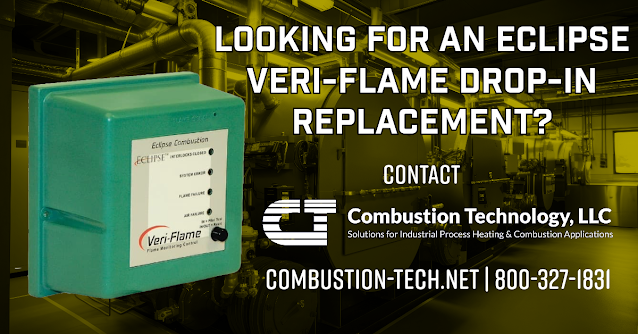
When it comes to replacing the discontinued Eclipse Veri-Flame burner control system, Combustion Technology, LLC stands out as a reliable and trusted source, offering seamless, high-performance solutions. With a ready inventory of state-of-the-art drop-in replacements for the Veri-Flame system, Combustion Technology ensures your operations remain uninterrupted and compliant with modern standards.

Don’t let the obsolescence of the Eclipse Veri-Flame disrupt your processes. Contact Combustion Technology, LLC today for your replacement solution and regain peace of mind, knowing your system has the components needed to keep your operations running smoothly.

Combustion Technology, LLC
http://combustion-tech.net
800-327-1831

Introducing the Phoenix TH Burner System: Cleaner Combustion and Extended Tube Life

Introducing the Phoenix TH Burner System: Cleaner Combustion and Extended Tube Life


Introducing the Phoenix TH Tube Fired Burner and Optional RH Exhaust Recuperator


In the quest for enhanced efficiency and performance in industrial heating applications, the Phoenix TH Tube Fired Burner emerges as a leading solution. Designed specifically for firing into radiant and immersion tubes, the TH burner offers an optional integration with the multi-tube RH Exhaust Recuperator, pushing the boundaries of energy efficiency even further.

Innovative Design for Optimal Heat Transfer


At the heart of the TH burner's effectiveness is its industry-proven nozzle design. This design generates a spiraling flame that actively scrubs the inside of the fire tubes. This action not only increases heat transfer but also ensures enhanced temperature uniformity within the tubes. The result is prolonged tube life and consistent heating performance, critical factors in demanding industrial processes.

Versatility Across Applications


The TH burner boasts adjustable flame lengths and multi-fuel capabilities, making it ideal for a variety of tube firing applications. It adeptly handles ambient or pre-heated combustion air and is compatible with straight, U, and W-type tube designs. Whether operating on natural gas or propane, the burner requires no internal changes when switching fuels, offering unparalleled operational flexibility.

Maximizing Efficiency with the RH Exhaust Recuperator


For processes that demand peak system efficiency, the optional RH Exhaust Recuperator is a game-changer. By recovering energy losses at the exhaust, it preheats the combustion air entering the TH burner to temperatures up to 1,000°F. This recuperation can lead to fuel savings of up to 30% or more, significantly reducing operational costs and environmental impact.

Technical Specifications


- Input Capacity Range: 100,000 – 750,000 BTU/hr
- Low Fire Input: 5,000 BTU/hr
- Flame Detection: Flame rod or UV scanner
- Ignition: Direct spark
- Max. Inlet Air Temperature: 1,000°F

Features and Benefits


- Uniform Tube Temperature: Ensures consistent product heating, enhancing quality and reliability.
- Clean Combustion: Operates without soot formation and maintains low NOx and CO emissions, promoting environmental compliance.
- High Efficiency: Functions efficiently with low excess air and accommodates pre-heated combustion air up to 1,000°F.
- Reliable Ignition: Offers consistent performance across a wide range of firing rates due to direct spark ignition.
- Multi-Fuel Capabilities: Easily switches between natural gas and propane without internal modifications.

Conclusion


The Phoenix TH Tube Fired Burner, especially when paired with the RH Exhaust Recuperator, represents a significant advancement in industrial heating solutions. Its innovative design enhances heat transfer and temperature uniformity while offering substantial energy savings and emission reductions. For industries aiming to optimize efficiency, reliability, and environmental responsibility, the TH burner system stands as an exceptional choice.

Combustion Technology, LLC
http://combustion-tech.net
800-327-1831

Combustion Technology Offers Stock, Drop-In Replacement for Eclipse VERI-FLAME Burner Control

Drop-In Replacement for Eclipse VERI-FLAME Burner Control

Are you searching for a reliable replacement for the discontinued Eclipse VERI-FLAME Burner Control? Look no further than Combustion Technology, LLC's innovative drop-in solution. This cutting-edge burner control system seamlessly replaces the VERI-FLAME, offering unparalleled performance and compatibility for industrial combustion applications.

Form, Fit, and Function Match


Combustion Technology's replacement burner control matches the VERI-FLAME in form, fit, and function, ensuring a hassle-free transition for your existing equipment. Engineers and technicians can easily install this drop-in replacement without modifications to their current setup, saving time and resources during the upgrade process.

Large Inventory Available for Immediate Shipment


With a large inventory in stock, the company can provide same-day shipment, minimizing downtime for businesses that rely on prompt replacement of critical components. This ready availability is crucial for companies that cannot afford delays in their operations, ensuring they can keep their systems running smoothly without interruption.

Manufactured by the Original Equipment Maker


What sets Combustion Technology's replacement apart is its authentic pedigree. The same company that produced the discontinued VERI-FLAME now manufactures this advanced replacement. This unique connection guarantees the highest quality standards and maintains the legacy of excellence associated with the original product.

Enhanced Features for Optimal Combustion Control


While maintaining compatibility with existing systems, Combustion Technology's replacement introduces modern enhancements to improve overall performance:
  1. Advanced flame detection technology for increased reliability
  2. Improved safety features to meet current industry standards
  3. Enhanced diagnostic capabilities for easier troubleshooting
  4. Increased energy efficiency to reduce operational costs

Seamless Integration and Minimal Downtime


Upgrading to Combustion Technology's VERI-FLAME replacement minimizes production downtime. The drop-in design allows for quick installation, reducing the time your equipment remains offline. This efficient transition ensures your industrial processes continue with minimal interruption.

Industry-Leading Support and Warranty


Combustion Technology, LLC backs its replacement burner control with comprehensive technical support and an industry-leading warranty. Their team of experienced professionals stands ready to assist with installation, configuration, and ongoing maintenance to maximize the longevity and performance of your combustion control system.

The Smart Choice for VERI-FLAME Replacement


For industries relying on precise combustion control, Combustion Technology's drop-in replacement for the Eclipse VERI-FLAME Burner Control offers an unbeatable solution. With its perfect form, fit, and function match and the assurance of being manufactured by the original equipment maker, this replacement stands out as the intelligent choice for upgrading your combustion control systems.

Keep the discontinuation of the VERI-FLAME and keep your operations from being held back. Embrace the future of combustion technology with Combustion Technology, LLC's superior drop-in replacement and experience the difference in performance, reliability, and efficiency.

Call Combustion Technology, LLC  at 800-327-1831 now to order!


Ensuring Safety and Efficiency: The Critical Importance of Boiler, Burner, and Furnace Code Compliance

Ensuring Safety and Efficiency: The Critical Importance of Boiler, Burner, and Furnace Code Compliance

Ensuring the compliance of boilers, burners, and furnaces with relevant codes and standards is paramount for industrial operations' safety, efficiency, and reliability. These systems are integral to many industrial processes, providing heat for various applications. However, their operation involves handling high temperatures, pressures, and sometimes hazardous fuels, which can pose significant risks if not properly managed.

Safety and Risk Management

Safety is the primary importance of code compliance for boilers, burners, and furnaces. These systems operate under conditions that, if not adequately controlled, can lead to catastrophic failures such as explosions, fires, or toxic gas leaks. Compliance with established codes and standards, such as those set by the American Society of Mechanical Engineers (ASME) and the National Fire Protection Association (NFPA), ensures that equipment is designed, installed, and maintained to minimize these risks. Regular inspections and adherence to these codes help identify potential hazards before they become critical.

Efficiency and Cost Savings

Properly designed and maintained systems operate more efficiently, significantly saving costs. Code compliance ensures that boilers, burners, and furnaces run optimally, reducing fuel consumption and lowering operational costs. Inefficient systems waste energy and contribute to increased emissions, which can lead to environmental penalties and harm a company's reputation. Organizations can avoid these pitfalls by adhering to codes and ensuring they meet economic and environmental standards.

Regulatory and Legal Requirements

Compliance with boiler, burner, and furnace codes is not just a best practice but often a legal requirement. Regulatory bodies mandate strict adherence to these standards to protect public safety and environmental health. Non-compliance can result in hefty fines, legal action, and shutdowns, devastating any business. Regular audits and compliance checks are essential to ensure that all systems are up to date with the latest regulations and standards, avoiding legal complications and ensuring smooth operation.

Proactive Maintenance and Longevity

Adhering to code requirements promotes a proactive approach to maintenance. Regular inspections and compliance checks can identify wear and tear, corrosion, or other issues that could lead to system failures. By addressing these issues early, companies can extend the lifespan of their equipment, avoiding costly repairs or replacements. Proactive maintenance also helps schedule downtimes more effectively, minimizing disruptions to production.

The Role of an Outside Consultant

Given the complexities of boiler, burner, and furnace operations and the ever-evolving nature of codes and standards, having an outside consultant review compliance is critical. An external expert brings an unbiased perspective, extensive experience, and up-to-date knowledge of the latest industry practices and regulatory changes. They can identify compliance gaps that in-house teams might overlook due to familiarity or routine.

External consultants provide a comprehensive audit of systems, ensuring that every aspect of the operation meets the required standards. They offer valuable insights and recommendations for improvements, helping organizations achieve higher safety and efficiency levels. Their expertise ensures that all potential risks are mitigated and systems are optimized for performance.

Combustion Technology, LLC: Your Trusted Partner

For organizations looking to ensure their boiler, burner, and furnace systems comply, Combustion Technology, LLC of Vancouver, WA, stands out as a valuable partner. With a team of seasoned experts, they provide thorough compliance reviews, leveraging their deep industry knowledge and experience. Combustion Technology, LLC offers a meticulous approach to audits, ensuring all systems meet the stringent safety, efficiency, and regulatory standards requirements. Partnering with them ensures compliance and enhances operational performance, making them a critical resource for any organization committed to excellence in industrial combustion systems.

Combustion Technology, LLC
http://combustion-tech.net
800-327-1831

Key Components and Operation of Industrial Gas Combustion Systems

Key Components and Operation of Industrial Gas Combustion Systems

An industrial gas combustion system is a complex assembly designed to burn gas fuels efficiently and safely for various industrial applications such as heating, drying, and power generation. The system typically comprises the following components:

1. Fuel Supply System
  • Gas Train: A series of components that ensure the safe delivery of gas to the burner. It includes:
  • Pressure Regulators: Maintain a constant gas pressure.
  • Shutoff Valves: Prevent gas flow in case of an emergency.
  • Solenoid Valves: Electrically operated valves that control gas flow.
  • Gas Filters: Remove impurities from the gas supply.
  • Pressure Gauges: Monitor gas pressure within the system.

2. Air Supply System
  • Blower/Fan: Provides the necessary airflow for combustion. 
  • Air Dampers: Control the volume of air entering the combustion chamber.
  • Air Filters: Remove particulates from the incoming air to prevent contamination.

3. Burner
  • The core component where the gas and air mix and ignite to produce a flame. Burners are designed to ensure efficient and complete combustion.
  • Ignition System: Typically includes a spark igniter or pilot flame to initiate combustion.
  • Flame Sensor: Detects the presence of a flame to ensure continuous combustion and safety.

4. Combustion Chamber
  • The area where the fuel-air mixture is burned. It is designed to withstand high temperatures and to optimize the combustion process.
  • Refractory Lining: Protects the chamber walls from high temperatures and enhances heat retention.

5. Heat Exchanger
  • Transfers the heat generated in the combustion process to the desired medium (e.g., water, air, or another process fluid).
  • Tubing and Fins: Increase the surface area for heat transfer.

6. Exhaust System
  • Directs the combustion byproducts out of the system.
  • Chimney/Flue: Conducts exhaust gases to the outside atmosphere.
  • Flue Gas Analyzer: Measures the composition of the exhaust gases to monitor combustion efficiency and emissions.

7. Control System
  • Manages and optimizes the operation of the combustion system.
  • Programmable Logic Controller (PLC): Automates and controls the various components and processes within the system.
  • Sensors: Monitor parameters such as temperature, pressure, and flow rates.
  • Human-Machine Interface (HMI): Allows operators to interact with and control the system.

8. Safety Systems
  • Critical to prevent accidents and ensure safe operation.
  • Flame Failure Detection: Shuts down the gas supply if no flame is detected.
  • Overpressure Protection: Relieves excess pressure to prevent system damage.
  • Emergency Shutoff Systems: Quickly stop fuel supply and combustion in case of emergencies.

9. Ancillary Components
  • Mixing Chambers: Ensure thorough mixing of gas and air before combustion.
  • Noise Suppressors: Reduce noise produced by the combustion process.
  • Vibration Dampeners: Minimize vibration to protect system components and reduce noise.

10. Monitoring and Diagnostics
  • Data Logging Systems: Record operational data for analysis and troubleshooting.
  • Remote Monitoring: Allows operators to monitor and control the system from remote locations.

Additional Considerations
  • Fuel Types: Systems can be designed for various gas fuels including natural gas, propane, and biogas.
  • Emissions Control: Technologies like low NOx burners and scrubbers to reduce pollutants.
  • Energy Efficiency: Incorporation of recuperative or regenerative heat exchangers to improve efficiency.

An industrial gas combustion system integrates these components to ensure a reliable, efficient, and safe combustion process tailored to specific industrial requirements.

Combustion Technology, LLC
http://combustion-tech.net
800-327-1831


Fireye VFS-2000: A Cutting-Edge Turbine Flame Sensor for Extreme Environments

Fireye VFS-2000: A Cutting-Edge Turbine Flame Sensor for Extreme Environments

Monitoring flame presence and intensity ensures safe and efficient power generation and industrial process operations. The Fireye VFS-2000 Turbine Flame Sensor is a state-of-the-art device designed to meet the challenges of extreme high-pressure and high-temperature environments in various industries, including power generation, oil refineries, petrochemical plants, and more.

Extreme Environment Applications:

The VFS-2000 Turbine Flame Sensor withstands the harsh conditions encountered in turbine generators, steam boilers, waste incinerators, down-fired reformer furnaces, ground flares, rotary kiln systems, ovens, and dryers. These environments are typical in power generation facilities, oil refineries, petrochemical plants, ammonia plants, and the paper and pulp industry, where reliable flame sensing is critical for process control and safety.

Ultraviolet Optical Energy Detection:

The sensor detects ultraviolet (UV) optical energy emitted by the flame, spanning the wavelength range of 200-400 nanometers. This selective sensitivity to UV radiation allows the VFS-2000 to accurately detect the presence of a flame while remaining unaffected by visible light and infrared (IR) emissions from hot walls. By focusing on the UV spectrum, the sensor provides a reliable and precise measurement of flame brightness, even at very low levels.

Loop-Powered 4-20mA Output:

The VFS-2000 Turbine Flame Sensor features a loop-powered 4-20mA output, which represents the flame brightness detected by the sensor. This industry-standard output signal enables seamless integration with existing control systems, allowing for continuous monitoring and real-time response to changes in flame intensity. The loop-powered design simplifies wiring and reduces installation costs, as the sensor can be powered directly from the control loop.

Innovative Design for Turbine Integration:

Fireye has developed an innovative design approach that entirely separates the optical sensing device from the turbine environment. This unique feature eliminates expensive water or pressurized air cooling systems, typically required to protect sensors in high-temperature environments. By isolating the sensitive optical components from harsh conditions, the VFS-2000 offers enhanced reliability, reduced maintenance, and lower operating costs than traditional flame sensing solutions.

The Fireye VFS-2000 Turbine Flame Sensor significantly advances flame monitoring technology for extreme environments. With its ability to detect UV optical energy, loop-powered 4-20mA output, and innovative design that eliminates the need for cooling systems, the VFS-2000 offers reliable, accurate, and cost-effective flame-sensing solutions for various industries. Ensuring precise flame monitoring and control enhances safety, efficiency, and productivity in power generation and industrial processes.

Combustion Technology, LLC
http://combustion-tech.net
800-327-1831

Working Closely with a Combustion Controls Expert: The Key to Optimal Industrial Combustion Systems

Working Closely with a Combustion Controls Expert: The Key to Optimal Industrial Combustion Systems

Industrial combustion systems, including burners, valves, flame detection, and controls, play a crucial role in various industries, from manufacturing to power generation. These complex systems require precise specifications and expert application to ensure optimal performance, energy efficiency, and safety. Engaging a combustion controls expert throughout the process of specifying and applying these systems can make a significant difference in the overall success of your operations.

Combustion control experts bring a wealth of knowledge and experience to the table. They possess a deep understanding of the intricacies of industrial combustion systems and stay up-to-date with the latest advancements in technology and regulations. By working closely with these experts, you can tap into their expertise and ensure that your combustion systems meet your facility's unique requirements.

One of the primary advantages of consulting with a combustion controls expert is their ability to help you select the most appropriate components for your specific application. They can assess your facility's needs, consider fuel type, process requirements, and environmental regulations, and recommend the best burners, valves, flame detection devices, and controls to optimize your system's performance. This tailored approach can improve efficiency, reduce emissions, and enhance safety.

Moreover, combustion control experts can provide valuable insights during your combustion system's design and installation phases. They can review your plans, identify potential issues, and suggest modifications to streamline the process and prevent costly mistakes. Their expertise can also help you navigate complex regulations and ensure compliance with industry standards, such as those set by the National Fire Protection Association (NFPA) and the American Society of Mechanical Engineers (ASME).

Once your industrial combustion system is in place, a combustion controls expert can continue to provide ongoing support and guidance. They can assist with commissioning, testing, and troubleshooting to ensure that your system operates at peak performance. Regular consultation with these experts can help you identify opportunities for optimization, implement preventive maintenance programs, and address any issues promptly, minimizing downtime and maximizing the lifespan of your equipment.

For companies in the Pacific Northwest, partnering with the sales engineers from Combustion Technology, LLC offers distinct advantages. As a regional expert in industrial combustion systems, Combustion Technology, LLC profoundly understands the unique challenges and opportunities faced by businesses in the region. Their sales engineers provide localized support, ensuring that your combustion system design and application withstand the region's specific environmental conditions and regulatory requirements.

Furthermore, Combustion Technology, LLC's sales engineers are committed to building long-term client relationships. They take the time to understand your business goals, operational needs, and growth plans, allowing them to provide customized solutions that evolve with your company. This partnership approach fosters trust, reliability, and a shared commitment to your success.

By working closely with the sales engineers from Combustion Technology, LLC, companies in the Pacific Northwest can benefit from their extensive network of suppliers and industry contacts. This network allows them to source high-quality components, negotiate competitive prices, and ensure timely delivery of equipment and parts. Additionally, their familiarity with local utility companies and regulatory agencies can help streamline the permitting and approval processes, saving you time and resources.

In conclusion, consulting and working closely with a combustion controls expert is essential for specifying and applying optimal industrial combustion systems. These experts bring invaluable knowledge, experience, and support to help you select the right components, design efficient systems, ensure compliance, and optimize performance. For companies in the Pacific Northwest, partnering with the sales engineers from Combustion Technology, LLC offers additional benefits, including localized expertise, long-term partnerships, and access to a robust network of suppliers and industry contacts. By leveraging the expertise of combustion control experts, you can enhance the safety, efficiency, and reliability of your industrial combustion systems, ultimately driving the success of your operations.

Siemens Combustion Controls HFV Series Control Valves for Feedwater and Steam Flow

Siemens Combustion Controls HFV Series Control Valves for Feedwater and Steam Flow

Control valves are critical in regulating boiler operations, especially in managing feedwater and steam flow. The Siemens Combustion Controls HFV Series is a prime example of advanced technology in this field. These valves demonstrate the sophistication and precision necessary for effectively controlling boiler systems in various industrial settings.

The primary function of control valves in boiler systems is to regulate the flow of feedwater and steam. In the case of boiler feedwater applications, these valves maintain the correct water level, ensuring that the boiler operates safely and efficiently. With its precision engineering, the Siemens HFV Series ensures a steady and controlled feedwater flow. This precision is crucial because an imbalance in water levels can lead to issues like low water cutoffs or boiler flooding, which can cause operational inefficiencies and safety hazards.

In boiler steam flow applications, control valves like the Siemens HFV Series manage the flow and pressure of the steam exiting the boiler. Steam is the primary output of boilers used for various purposes, including heating, power generation, and process applications. The ability of the HFV Series to control steam flow accurately is vital for maintaining the desired pressure and temperature, which are critical parameters for the efficiency and safety of the boiler system.

One of the key advantages of the Siemens HFV Series in these applications is its responsiveness. The HFV valves can adjust quickly to changes in demand or operating conditions. This responsiveness ensures the boiler system adapts rapidly, maintaining optimal performance even under varying load conditions. For instance, in the case of increased steam demand, the HFV valves can open further to allow more steam to flow, thereby meeting the demand without causing a drop in pressure or temperature.

Another critical aspect of the HFV Series is its durability and reliability. Boiler systems operate in harsh environments, and the control valves are subject to significant wear and tear. The HFV Series withstands these conditions, ensuring long-term operational stability with minimal maintenance requirements. This durability not only reduces the cost of ownership but also minimizes downtime, a crucial factor in industries where continuous operation is paramount.
In addition to these functional benefits, the Siemens HFV Series incorporates advanced features such as diagnostic capabilities and integration with digital control systems. These features allow for real-time monitoring and adjustment of the valves, further enhancing the efficiency and safety of boiler operations. The integration with control systems enables automated adjustments based on predefined parameters, reducing the need for manual intervention and the potential for human error.

Control valves like the Siemens Combustion Controls HFV Series are essential components in boiler systems, particularly in managing boiler feedwater and steam flow. These valves ensure efficient and safe operation by maintaining optimal water levels and controlling steam flow and pressure. The HFV Series stands out for its responsiveness, durability, and advanced features, making it a top choice for industrial applications where precision and reliability are critical. By incorporating such sophisticated control solutions, industries can achieve greater operational efficiency, safety, and cost-effectiveness in their boiler operations.

Combustion Technology, LLC
800-327-1831
https://combustion-tech.net

Seeking Alternatives: A Drop-in Replacement in Response to the Discontinuation of Eclipse Veri-Flame

A Drop-in Replacement in Response to the Discontinuation of Eclipse Veri-Flame

With its reliance on complex machinery and systems, the industrial sector faces significant challenges when products become obsolete. This situation affects the efficiency of operations and poses a dilemma for companies in maintaining and upgrading their equipment. A prime example of such obsolescence is the discontinuation of the Eclipse Veri-Flame Burner Monitoring System in late 2018.

The Eclipse Veri-Flame was a pivotal component in the industrial world, controlling the start-up sequence and monitoring the flame of a single gas, oil, or combination gas/oil burners. It was renowned for its reliability and precision, playing a critical role in ensuring the safe and efficient operation of burners in various industrial applications. The product's popularity was not limited to a particular region but spanned globally, with thousands of installations. This widespread use underscored its importance in the industrial sector, making its obsolescence significant.

The discontinuation of the Eclipse Veri-Flame presented a substantial challenge for industries reliant on this system. Companies faced the daunting task of finding alternatives that could seamlessly integrate into their existing setups without compromising performance or safety. The obsolescence disrupted operations and necessitated a significant investment in time and resources for companies to transition to new systems. This situation is further complicated by the need to ensure that any new system adheres to the stringent safety and regulatory standards paramount in industrial operations.

However, there is a silver lining for those affected by the phase-out of the Eclipse Veri-Flame. Combustion Technology, LLC, based in Vancouver, Washington, offers a drop-in replacement for VERI-FLAME Burner Controls. This replacement promises to deliver the same level of efficiency and reliability that industries have come to expect from the Eclipse Veri-Flame. By providing a solution that can be integrated into existing systems with minimal disruption, Combustion Technology, LLC, helps mitigate the challenges posed by the obsolescence of the Eclipse Veri-Flame.

For industries still grappling with discontinuing the Eclipse Veri-Flame, the availability of a compatible replacement is a significant relief. It offers a way to maintain operational efficiency and safety standards without requiring extensive overhauls or investments. Companies seeking to navigate this transition smoothly are advised to contact Combustion Technology, LLC, to explore their options and ensure a seamless shift to the new system.

While the obsolescence of industrial products like the Eclipse Veri-Flame presents considerable challenges, solutions such as the one offered by Combustion Technology, LLC demonstrate the resilience and adaptability of the industrial sector. By embracing such innovations, companies can continue to operate efficiently and safely, even in the face of technological advancements and product phase-outs.

Combustion Technology, LLC
800-327-1831
https://combustion-tech.net

UL508A Control Panels for Modern Process Heating Systems

UL508A Control Panels for Modern Process Heating Systems

A UL508A control panel is a specific industrial control panel designed and certified according to the UL508A standard set by the Underwriters Laboratories (UL). Here's a detailed explanation:

What is UL508A?


UL508A is a standard set by the Underwriters Laboratories (UL), an independent safety certification organization based in the US. This standard specifically pertains to the safety of industrial control panels. It provides guidelines for designing, constructing, and testing control panels to ensure they meet the necessary safety standards.

What is a UL508A Control Panel?


A UL508A control panel is an industrial control panel built under the requirements of the UL508A standard, meaning it has undergone rigorous testing and inspection to ensure it meets the safety requirements set out in the standard. Such panels will typically bear the UL label, indicating they have been certified by the Underwriters Laboratories.

How is a UL508A Control Panel Used in Industrial Heating and Combustion Applications?


Industrial heating and combustion applications often involve boilers, furnaces, ovens, and kilns. These devices require precise control to maintain safety, efficiency, and product quality. Here's how a UL508A control panel can be used in such applications:
  • Temperature Control: The control panel can regulate the temperature of a furnace, boiler, or oven by adjusting the fuel supply or the operation of heating elements, ensuring that the equipment operates within a safe and desired temperature range.
  • Safety Monitoring: The panel can continuously monitor various safety-related parameters. For instance, it can monitor pressure levels inside a boiler or the oxygen level in a combustion chamber. If any of these parameters fall outside of safe limits, the control panel can automatically sound an alarm or even shut down the equipment.
  • Sequential Control: In many industrial processes, various stages of the operation must occur in a specific sequence. The control panel can ensure that, for example, a specific valve doesn't open unless a particular temperature is achieved.
  • Data Logging: The control panel can record operational data over time, such as temperature profiles, fuel consumption, or emission levels. This data can be crucial for troubleshooting, performance analysis, or compliance with regulatory requirements.
  • Interfacing with Other Systems: UL508A control panels can communicate with other systems in the facility, such as building management systems or emergency shutdown systems, ensuring that the heating or combustion system operates harmoniously with the broader environment.
  • User Interface: Modern control panels often come with intuitive interfaces that allow operators to set parameters, view current operational data, or respond to alarms. These interfaces can be physical (like buttons or touchscreens) or digital (accessible via a computer or mobile device).

A UL508A control panel provides the intelligence and safety oversight needed to operate industrial heating and combustion equipment efficiently and safely. Its certification ensures that the panel is designed and constructed to handle the rigorous demands of industrial environments, providing peace of mind to facility operators and owners.

Combustion Technology, LLC
800-327-1831
https://combustion-tech.net

Revolutionizing Industrial Heating: The Selas Superflame™ High Velocity Low NOx Burner

The Next Generation in High Velocity, Low NOx Burners

A high velocity burner is an industrial combustion device that produces a high-velocity flame. This type of burner is particularly beneficial in applications requiring higher heat transfer rates or where the flame needs to penetrate deeply into the process media. The high velocity ensures better mixing of the fuel and air, leading to efficient combustion and uniform heating.


Some key features of high velocity burners include:


  1. Improved Heat Transfer: Due to the high velocity of the flame, there is an increased heat transfer rate from the flame to the material, leading to quicker heating cycles and improved process efficiency.
  2. Penetration: The forceful nature of the flame allows it to penetrate deeply into materials or cavities, ensuring uniform heating, which is particularly useful in processes like forging or certain types of melting applications.
  3. Reduced Scale Formation: In metal heating processes, the formation of scale (an oxide layer) on the metal surface is a concern. The high-velocity flame can reduce the formation of this scale, leading to better product quality.
  4. Efficient Combustion: The combustion process in a high-velocity burner is often more complete due to better mixing of fuel and air, meaning fewer unburned hydrocarbons and lower emissions.

High velocity burners are used in various industrial applications, including steel reheating, forging, glass melting, and other processes where deep heat penetration or rapid heating is beneficial.


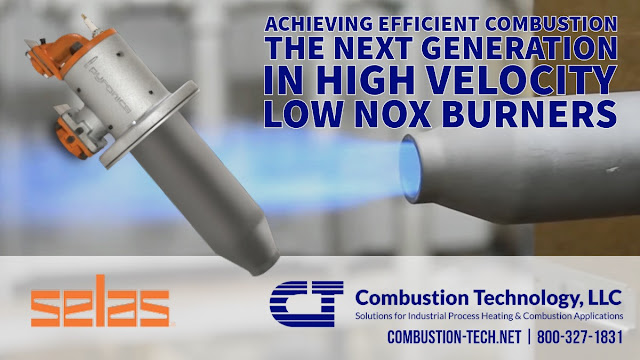
Selas, headquartered in Streetboro, Ohio, manufactures industrial burners and serves the industrial thermal processing industry by offering various innovative and reliable gas burners, combustion systems, and thermal components.  Their new product, the Superflame™ Low NOx Medium & High Velocity Burner, is constructed with an outer tube from advanced silicon carbide. The inner firing tube consists of stainless steel alloy. The high-velocity burner uses two-stage combustion to achieve low NOx emissions. Specifically designed nozzles facilitate excellent NOx-inhibiting combustion in the first stage. The second stage sees combustion products exiting at speeds exceeding 275fps (83mps) for medium velocity and 400fps (122mps) for high velocity.


The Superflame™generates heat in dense loads and circulates it within the furnace, ensuring faster and more consistent heating. Superflame's medium and high-velocity burners operate effectively with either ambient or preheated combustion air, reaching temperatures up to 700°F (371°C). They also feature durable, lightweight, and self-supporting SiC firing tubes. These burners fit perfectly in brick and fiber wall furnaces and attach easily to the furnace, are compatible with ultraviolet detectors, and most models also accommodate a flame rod. The inclusion of a direct spark offers more flexibility in control system design.


For more information about the Superflame™in the Pacific Northwest, contact Combustion Technology, LLC. Call them at 800-327-1831 or visit https://combustion-tech.net.

The Perfect Fit: Siemens Combustion Controls HFV Series Control Valves for Boiler Applications

The Perfect Fit: Siemens Combustion Controls HFV Series Control Valves for Boiler Applications

Modulating control valves plays a crucial role in managing the flow of feedwater and steam in a combustion boiler system. These valves help maintain the desired levels of water and steam within the boiler by continuously adjusting the flow rates according to the system's needs.
  • Feedwater Flow Control: The feedwater, which is water fed into the boiler for conversion into steam, must be carefully controlled. A modulating control valve regulates feedwater flow into the boiler, which is critical because the amount of feedwater entering the boiler should match the steam demand from the process. If the feedwater supply is too low, the boiler can run dry, causing damage to the boiler tubes and other components. Conversely, the feedwater supply is too high, which can cause overfilling and unnecessary pressure on the boiler.
  • Steam Flow Control: The steam generated in the boiler provides various processes like heating, power generation, etc. The modulating control valve regulates the steam flow from the boiler to the process. It adjusts the steam flow rate according to the process requirements, ensuring the process receives the correct amount of steam at the required pressure and temperature.
The operation of modulating control valves is typically automated, controlled by a control system that continuously monitors various parameters like boiler pressure, steam demand, water level, etc., and adjusts the valve position accordingly, ensuring optimal boiler operation, energy efficiency, and safety.

In summary, modulating control valves plays a crucial role in regulating the flow of feedwater into the combustion boiler and the steam flow from the boiler to the process. Proper operation of these valves is essential for the efficient and safe operation of the boiler system.

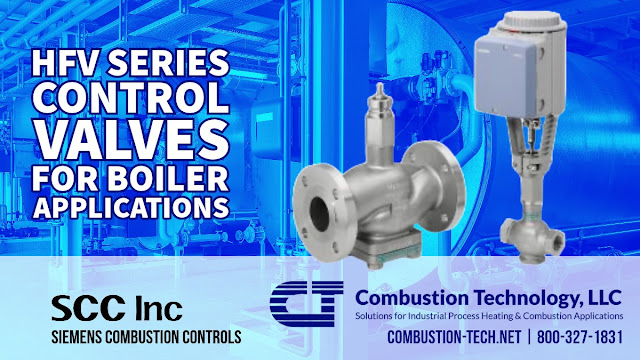
The Siemens Combustion Controls HFV series control valves are ideally suited for applications that involve the throttling and shutting off water or steam flow in boiler feedwater or steam flow systems. These valves operate using a Siemens SKB/C/D electronic actuator. The HFV control valves are available in a variety of sizes, ranging from 1/2" to 2" NPT (National Pipe Thread) and 1/2" to 4" flanged, with pressure ratings of either 150# or 300#.

HFV Series Control Valve Features

  • Up to 150 psi differential across the valve when modulating.
  • High close-off pressure.
  • Stainless steel body, stem, and plug.
  • Linear or equal percentage flow characteristic.
  • ANSI Class IV shutoff.
  • Fail closed.
Combustion Technology, LLC
800-327-1831
https://combustion-tech.net

Serving the Pacific Northwest with Superior Process Heating Products and Services: Combustion Technology

With over 30 years in the industry, Combustion Technology, LLC specializes in providing comprehensive combustion and process heating applications solutions. Our product range includes everything from discrete components like temperature controls, thermocouples, gas pressure regulators, and flow meters to fully integrated industrial burner systems.

Our team of experts stands ready to assist with your most challenging applications. We support the entire lifecycle of your process heating system, recommending optimal products for the best return on investment and offering immediate access to a wide selection of locally-stocked replacement parts.

  • When you partner with Combustion Technology, you can expect the following:
  • Deep expertise in process heating and combustion
  • An emphasis on minimizing the total cost of ownership
  • Access to top-tier product lines
  • Smart sales support
  • Prompt, efficient, and courteous customer service
  • Available technical phone support
  • On-site troubleshooting and commissioning

As a seasoned supplier-partner in thermal processing systems and burners, our wide range of combustion equipment and expertise in instrumentation, valves, and control systems sets us apart in the industry.

https://combustion-tech.net
800-327-1831


The NORVAL Pressure Regulator by Pietro Fiorentini

The NORVAL Pressure Regulator by Pietro Fiorentini

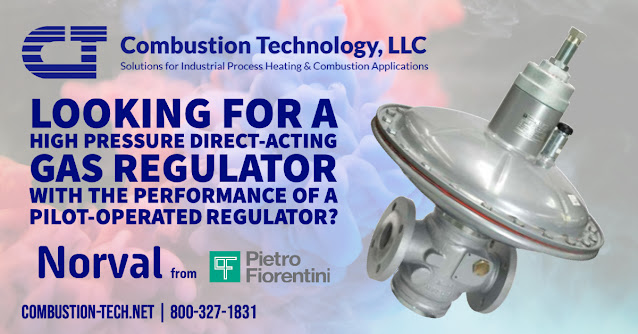
The NORVAL is a self-actuated, spring-loaded pressure regulator designed for medium and low-pressure applications downstream. It is adept at handling gaseous, non-corrosive fluids as long as they've been pre-filtered.

The NORVAL responds rapidly to shifting operational conditions thanks to its balanced valve design. This feature renders it particularly useful in situations like serving ON-OFF burners and other industrial processes requiring swift flow rate adjustments.

One of the key advantages of the NORVAL regulator is its impressive regulation accuracy, even in the face of considerable changes in upstream pressure and flow rate, making it an ideal choice for natural gas gate stations and a range of industrial and commercial applications.

In its basic version, the NORVAL regulator categorizes it as a "Fail to Open" type, meaning if it fails, it does so in the open state. The NORVAL sports a top-entry design, conferring various management benefits, including the ability to carry out comprehensive maintenance without disconnecting it from the piping network.

FEATURES
  • Simple Installation
  • 250:1 Turndown: Allows for wider applications
  • Constant Outlet Pressure, despite varying inlet pressures
  • High Accuracy
  • Balanced Valve Design: Provides quick response to varying operating conditions 
  • Over Pressure Protection: Optional bolt on slam shut
The NORVAL regulator is crafted with an emphasis on modularity, facilitating the inclusion of alternative devices and additional accessories within its basic structure. Furthermore, these additions can be made later without altering the current piping connections. A unique add-on is the slam-shut, a safety accessory that cuts off the gas flow when it detects abnormal pressure conditions, compared to the set pressure switch point.

Two model variants, SN91 and SN92, are available, and the precision class of the block device can reach up to AG 2.5. The slam-shut device comes with an optional manual tripping button for localized operation. The slam-shut device needs to be manually reset for safety purposes, and a bypass device is incorporated within the valve to simplify this process.

Furthermore, the slam-shut device can be equipped with either pneumatic or electromagnetic attachments for remote operation. It can also incorporate sensors such as micro-switches for remote tripping signal transmission.


For more information, contact:

Combustion Technology, LLC

The Crucial Role of Industrial Combustion Experts in Heating Applications

The Crucial Role of Industrial Combustion Experts in Heating Applications

Introduction

The efficiency and safety of industrial heating applications directly impact the productivity and sustainability of various industries. Burners, controls, valves, and safety systems are integral components that ensure the optimal operation of these heating applications. In this regard, industrial combustion experts play a vital role in selecting, designing, installing, and maintaining these systems. This article explores the importance of industrial combustion experts in successfully applying burners, controls, valves, and safety systems in industrial heating processes.

Burners and Combustion Systems

Industrial combustion experts are well-versed in designing and selecting burners and combustion systems. Their expertise allows them to analyze the specific requirements of each application and recommend the most appropriate burner type, fuel, and combustion technology, ensuring that the heating process achieves maximum efficiency, reduces fuel consumption, and minimizes the emission of harmful pollutants. Combustion experts also ensure burners are correctly integrated with other system components, such as controls and valves, to maintain stable and efficient operation.

Controls and Automation

Integrating advanced control systems in industrial heating applications is essential for ensuring precise temperature control, energy efficiency, and process consistency. Industrial combustion experts deeply understand various control systems, ranging from simple thermostatic controls to complex programmable logic controllers (PLCs) and distributed control systems (DCS). They can design and implement customized control strategies that are tailored to the specific needs of each industrial heating application, ensuring optimal performance and minimal energy waste.

Valves and Flow Control

Proper selection, sizing, and installation of valves and flow control devices are critical for maintaining safety and efficiency in industrial heating applications. Industrial combustion experts have extensive knowledge of the different types of valves, actuators, and flow control devices available in the market. They can determine the most suitable valve type, size, and material based on operating pressure, temperature, and fluid properties. Additionally, these experts can design and implement proper valve automation and control strategies to ensure smooth operation and prevent potentially hazardous situations.

Safety Systems and Regulations

Safety is a top priority in industrial heating applications. Industrial combustion experts are well-versed in the relevant safety regulations and industry standards that govern the design, installation, and operation of heating systems. They can ensure that all necessary safety devices, such as flame detectors, gas pressure switches, and safety shut-off valves, are integrated into the system to prevent accidents and protect personnel and equipment. Moreover, these experts can provide training and guidance to plant operators, ensuring they are competent in handling the equipment and adhering to safety procedures.

Maintenance and Troubleshooting

Regular maintenance and prompt troubleshooting are essential for industrial heating applications' longevity and reliable performance. Industrial combustion experts can develop and implement comprehensive maintenance programs to prevent equipment failure, optimize system performance, and reduce downtime. They can also provide on-site or remote support in case of unexpected issues or breakdowns, using their extensive knowledge and experience to diagnose and resolve problems quickly and effectively.

Conclusion

Industrial combustion experts are indispensable in successfully applying burners, controls, valves, and safety systems in industrial heating applications. Their expertise ensures the system design, installation, and maintenance in a manner that optimizes efficiency, safety, and sustainability. By partnering with experienced combustion experts, industries can significantly improve their heating processes, ultimately leading to enhanced productivity and competitiveness in the market.

Combustion Technology, LLC