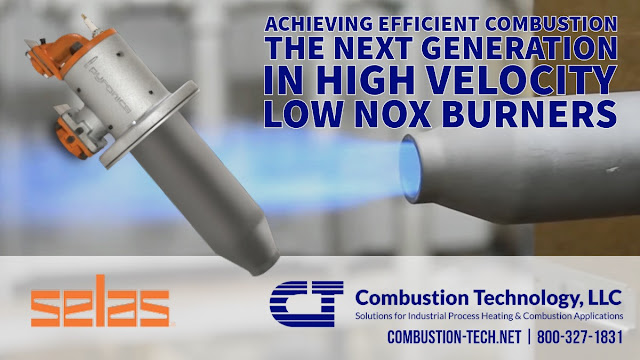
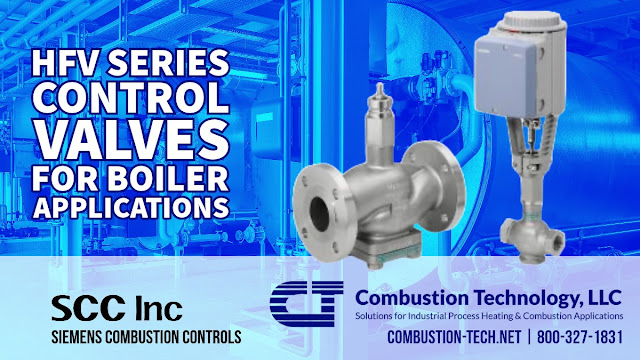
Industrial combustion systems, including burners, valves, flame detection, and controls, play a crucial role in various industries, from manufacturing to power generation. These complex systems require precise specifications and expert application to ensure optimal performance, energy efficiency, and safety. Engaging a combustion controls expert throughout the process of specifying and applying these systems can make a significant difference in the overall success of your operations.
Combustion control experts bring a wealth of knowledge and experience to the table. They possess a deep understanding of the intricacies of industrial combustion systems and stay up-to-date with the latest advancements in technology and regulations. By working closely with these experts, you can tap into their expertise and ensure that your combustion systems meet your facility's unique requirements.
One of the primary advantages of consulting with a combustion controls expert is their ability to help you select the most appropriate components for your specific application. They can assess your facility's needs, consider fuel type, process requirements, and environmental regulations, and recommend the best burners, valves, flame detection devices, and controls to optimize your system's performance. This tailored approach can improve efficiency, reduce emissions, and enhance safety.
Moreover, combustion control experts can provide valuable insights during your combustion system's design and installation phases. They can review your plans, identify potential issues, and suggest modifications to streamline the process and prevent costly mistakes. Their expertise can also help you navigate complex regulations and ensure compliance with industry standards, such as those set by the National Fire Protection Association (NFPA) and the American Society of Mechanical Engineers (ASME).
Once your industrial combustion system is in place, a combustion controls expert can continue to provide ongoing support and guidance. They can assist with commissioning, testing, and troubleshooting to ensure that your system operates at peak performance. Regular consultation with these experts can help you identify opportunities for optimization, implement preventive maintenance programs, and address any issues promptly, minimizing downtime and maximizing the lifespan of your equipment.
For companies in the Pacific Northwest, partnering with the sales engineers from Combustion Technology, LLC offers distinct advantages. As a regional expert in industrial combustion systems, Combustion Technology, LLC profoundly understands the unique challenges and opportunities faced by businesses in the region. Their sales engineers provide localized support, ensuring that your combustion system design and application withstand the region's specific environmental conditions and regulatory requirements.
Furthermore, Combustion Technology, LLC's sales engineers are committed to building long-term client relationships. They take the time to understand your business goals, operational needs, and growth plans, allowing them to provide customized solutions that evolve with your company. This partnership approach fosters trust, reliability, and a shared commitment to your success.
By working closely with the sales engineers from Combustion Technology, LLC, companies in the Pacific Northwest can benefit from their extensive network of suppliers and industry contacts. This network allows them to source high-quality components, negotiate competitive prices, and ensure timely delivery of equipment and parts. Additionally, their familiarity with local utility companies and regulatory agencies can help streamline the permitting and approval processes, saving you time and resources.
In conclusion, consulting and working closely with a combustion controls expert is essential for specifying and applying optimal industrial combustion systems. These experts bring invaluable knowledge, experience, and support to help you select the right components, design efficient systems, ensure compliance, and optimize performance. For companies in the Pacific Northwest, partnering with the sales engineers from Combustion Technology, LLC offers additional benefits, including localized expertise, long-term partnerships, and access to a robust network of suppliers and industry contacts. By leveraging the expertise of combustion control experts, you can enhance the safety, efficiency, and reliability of your industrial combustion systems, ultimately driving the success of your operations.